Free Crochet Patterns That Look Knit: Easy Step-by-Step
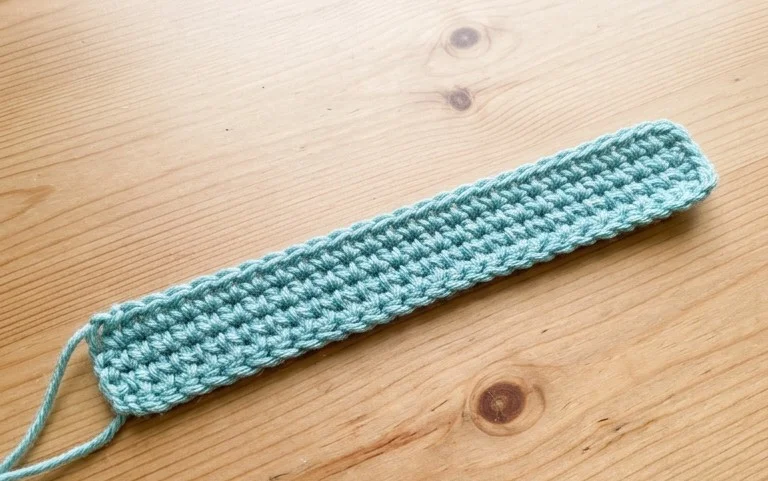
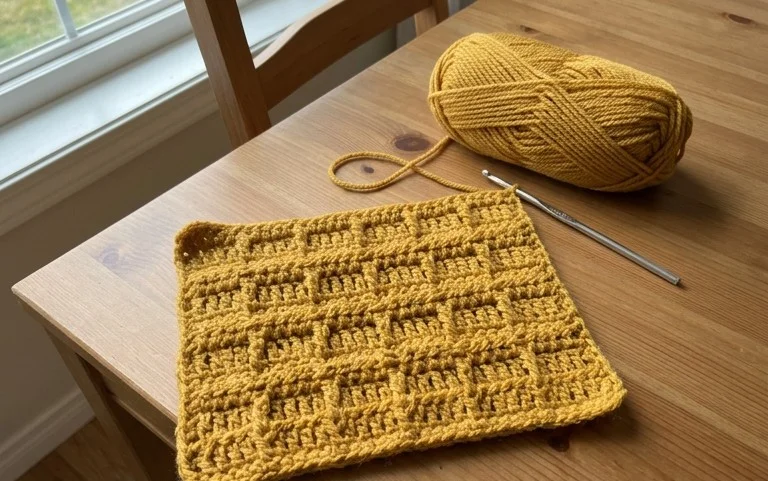
These dishcloths offer the tight, structured look of knitting while using standard crochet hooks and simple tension techniques. The dense surface traps suds and scrubs plates effectively, making them more functional than flimsy store-bought versions. You will appreciate the weight of the fabric in your hand, which feels substantial and durable after several wash cycles. This project suits beginners who want to practice consistent stitch height while creating something useful for the kitchen. By focusing on the moss stitch, you create a beautiful V-shaped texture that mimics classic stockinette. This guide breaks down the process, helping you master a repeatable pattern that builds into a clean square with smooth, finished edges.
Why You’ll Love This Pattern
The Classic Crochet Dishcloth is the fundamental project that every fiber artist masters to refine their tension and edge-work. This pattern uses a simple moss stitch variation that creates a dense, sturdy fabric capable of scrubbing surfaces effectively. Because it requires only a small amount of cotton yarn, it is an ideal way to use up leftover skeins from larger blankets or garment projects. The repetitive nature of the stitches makes it a soothing, portable project you can finish in a single evening while watching a show or sitting outside.
I managed to finish three of these in one weekend. The texture is much thicker than the store-bought versions and they hold up perfectly after dozens of runs through the washing machine.
— Sarah, home crafter
Pattern Overview & Skill Level
- Skill Level: Beginner
- Approximate Time: 1.5 to 2 hours
- Construction: Worked in flat rows using a simple stitch repeat that builds from the bottom up.
- Finished Dimensions & Sizing: 8 inches by 8 inches.
Materials & Supplies Needed
- Yarn: Worsted #4 weight, 100% cotton yarn (approximately 60 yards per dishcloth). Cotton is essential for absorbency and heat resistance.
- Hook Size: 5.0 mm (H-8).
- Notions: Tapestry needle for weaving in ends and a pair of sharp scissors.
- Safe yarn substitutions: You may use a cotton-linen blend for a more scrubby texture, though this will feel stiffer on the hands. Avoid acrylic yarn, as it lacks the necessary absorbency for kitchen tasks and can melt if exposed to hot pans.
Stitch Guide & Abbreviations (US Terms)
- ch: Chain
- st: Stitch
- sc: Single crochet
- sk: Skip
- sl st: Slip stitch
- turn: Turn your work to begin the next row
- Moss Stitch: A pattern created by alternating sc and ch-1 spaces, where the sc of the new row is placed into the ch-1 space of the previous row.
Step-by-Step Pattern Instructions
This dishcloth is worked in rows, beginning with a foundation chain. Each row builds the characteristic bumpy texture that helps trap food particles and moisture.
- Row 1: Ch 31. Sc in the 4th ch from the hook. *Ch 1, sk 1 ch, sc in the next ch. Repeat from * across until you reach the end. Turn. (15 sc, 14 ch-1 spaces).
- Row 2: Ch 2. Sc in the first ch-1 space. *Ch 1, sk the sc, sc in the next ch-1 space. Repeat from * across. Place your final sc in the space created by the turning chain from the previous row. Turn. (15 sc, 14 ch-1 spaces).
- Rows 3–30: Repeat Row 2 until the piece measures approximately 8 inches in height.
- Finishing: Fasten off the yarn, leaving a 6-inch tail. Pull the tail through the final loop to secure it. Use your tapestry needle to weave the end back into the fabric, moving in both directions to ensure it does not unravel during cleaning. Trim the excess yarn flush with the fabric.
Care & Washing Instructions
- Machine wash your cotton dishcloths in warm water on a gentle cycle to remove oils and food residue.
- Lay the cloths flat on a clean towel to air dry, which helps them maintain their square shape without curling at the corners.
- If the corners begin to curl over time, lightly steam them with an iron set to the cotton/linen setting while pulling the fabric into a square.
Pro Tips & Common Mistakes to Avoid
Maintaining consistent tension is the most common hurdle for beginners. If your stitches feel tight, try using a hook one size larger than recommended, as a looser fabric is more absorbent. Always use a stitch marker in the very first stitch of a new row to ensure you do not inadvertently skip the final stitch of the previous row, which is the primary cause of lopsided edges. When weaving in your ends, avoid cutting the yarn too close to the knot, as the friction of scrubbing will eventually work the end loose. If you decide to make your dishcloth larger by adding more chains, remember that every two additional chains you add will increase the width by approximately half an inch, so adjust your total yardage requirements accordingly.
Frequently Asked Questions
Can I use a different yarn weight for this pattern?
Yes, but you will need to adjust your starting chain length to hit the 8-inch width target. A finer yarn will require more starting chains, while a heavier yarn will require fewer.
Is this pattern suitable for someone who has never crocheted before?
Absolutely. It uses only two basic movements—the chain and the single crochet—which makes it the perfect exercise for learning how to control your yarn tension.
What is the best way to keep the edges straight?
Always count your stitches at the end of every row. You should have the same number of sc stitches in every row; if the count changes, it means you have either missed an end stitch or added an extra one.
Am I allowed to sell the dishcloths I make from this pattern?
Yes, you may sell items made from this pattern as long as you provide credit to the designer in your shop listing. Do not sell or redistribute the written pattern itself.
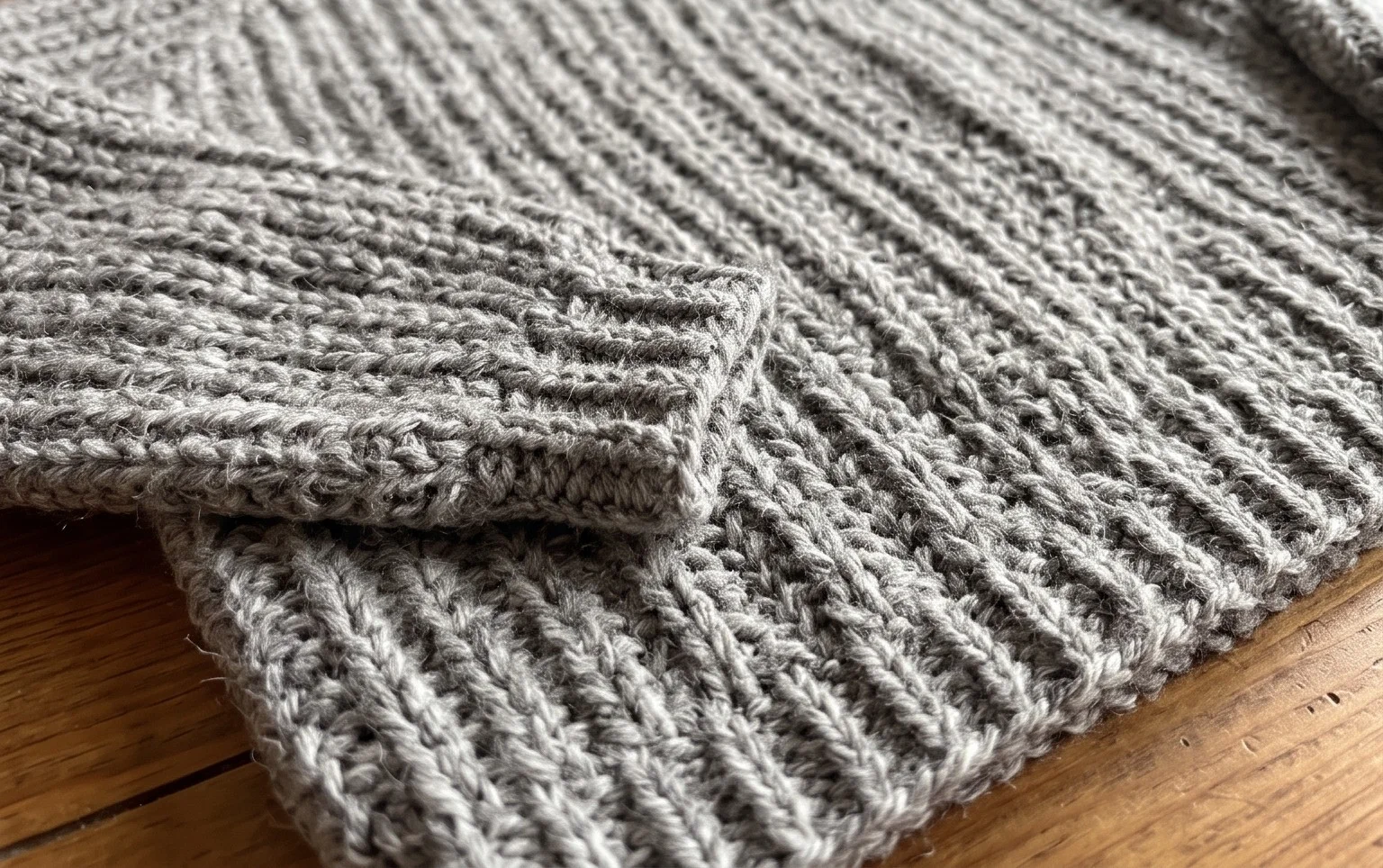
Your finished dishcloth will feel thick and sturdy, lasting far longer than mass-produced alternatives in your kitchen rotation. Consider experimenting with a variegated cotton yarn for a splash of color or sizing up your hook for a drapier finish that works well as a washcloth. Sharing a photo of your work on Instagram helps others find inspiration for their own yarn stash. We have several other free crochet patterns that look knit available on the blog for you to practice your new skills on projects like hats and scarves.